
Better Power, Better Communities: What AEDC is Doing to Improve Electricity Supply
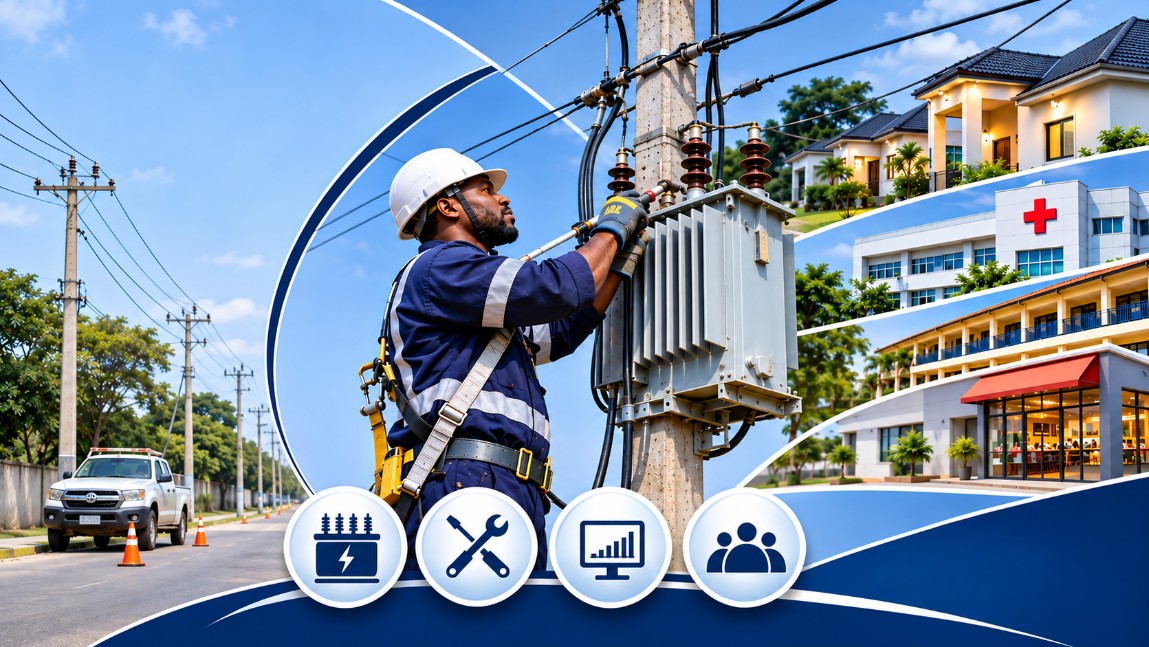
Electricity is more than a convenience; it drives economic growth, business productivity and community development. From homes and small businesses to hospitals, schools and industries, reliable electricity plays a critical role in everyday life.
But what does it take to get electricity from the national grid to customers? Why do neighbouring communities sometimes experience different supply patterns? And what is required to improve electricity distribution?
For Abuja Electricity Distribution Plc (AEDC), addressing these concerns requires continuous investment in infrastructure, effective network management, technology adoption and stronger customer engagement.
Across the Federal Capital Territory, Niger, Kogi and Nasarawa States, AEDC remains focused on strengthening its distribution network, improving operational efficiency and enhancing the electricity experience for customers.
Beyond the Grid: Understanding How Electricity Gets to You
Electricity passes through several stages before reaching customers. After generation, it is transmitted through high-voltage lines managed by the Transmission Company of Nigeria (TCN). At designated substations, the voltage is reduced before electricity is transferred to distribution companies such as AEDC.
AEDC then distributes electricity through substations, feeders, transformers and distribution lines to homes, offices and businesses.
The performance of these interconnected assets, alongside available generation and transmission capacity, influences the supply customers receive.
This also explains why neighbouring communities may experience different supply patterns. They may be connected to different feeders or transformers, each with varying capacities and operating conditions. A fault or maintenance activity affecting one feeder, for instance, may interrupt supply to connected communities without affecting nearby areas.
Understanding these dynamics helps explain why resolving supply challenges requires identifying the specific technical issue and addressing it at the appropriate point in the network.
Building a Stronger Network: Infrastructure That Makes a Difference
As residential estates, commercial centres and communities expand, electricity demand increases. Continuous network assessment, maintenance and infrastructure development are therefore essential.
Interventions such as transformer installations and upgrades, feeder rehabilitation, substation improvements and network reinforcement help strengthen distribution capacity and accommodate growing demand.
For instance, upgrading an overloaded transformer can address capacity constraints in the area it serves, while feeder rehabilitation improves distribution infrastructure and substation improvements support the efficient movement of electricity.
Infrastructure priorities are determined through technical assessments covering transformer loading, feeder performance, fault history, customer demand and anticipated community growth.
Customers and community leaders can also contribute by communicating emerging electricity needs and reporting persistent technical challenges through AEDC’s established channels.
Understanding Your Electricity Experience
Low voltage, power fluctuations and damaged appliances are common customer concerns. These challenges may result from overloaded transformers, excessive feeder demand, network faults, poor connections or problems within individual premises.
Where several customers in a community experience low voltage simultaneously, the problem may originate from shared distribution infrastructure. However, issues affecting only one building may be caused by internal wiring, faulty connections or overloaded circuits.
Customers should engage qualified electricians to inspect their internal installations and report suspected network-related problems to AEDC.
Protecting appliances is equally important. Using appropriate surge protection devices, avoiding overloaded sockets and maintaining electrical installations can help reduce the risk of damage.
Accurate metering also supports efficient electricity distribution. It enables customers to monitor consumption while providing useful information for demand assessment, network planning and energy management.
Technology, Safety and Shared Responsibility
Technology is increasingly shaping electricity distribution. Improved monitoring systems, digital solutions and data-driven processes offer opportunities to strengthen network visibility, identify technical challenges and support informed operational decisions.
For AEDC, technology adoption and operational efficiency are important to building a more responsive distribution network and improving customer service.
However, infrastructure and technology alone cannot guarantee a better electricity experience. Customers and communities also have a responsibility to protect the network.
Vandalism, illegal connections and equipment theft can damage critical infrastructure, disrupt supply and expose communities to serious safety risks.
Customers are encouraged to report suspicious activities, avoid unauthorised connections and never interfere with electrical installations. Fallen cables and exposed electrical equipment should never be touched and must be reported immediately.
Responsible energy use also matters. Switching off unused appliances, using energy-efficient equipment and avoiding unnecessary consumption can support more efficient electricity use.
Your Voice Matters: Working Together for Better Service
Improving electricity distribution also means listening to customers and responding to their concerns.
Reports of power outages, low voltage, damaged infrastructure and other electricity-related challenges help the relevant teams assess network conditions and determine appropriate interventions.
Customers can reach AEDC through the following official channels:
- Customer Care Line: 08039070070
- WhatsApp: 09161012128 / 09162012128
- Email: customercare@abujaelectricity.com
- Website: www.abujaelectricity.com
- Facebook: @abujaelectricity
- X: @aedcelectricity
- Instagram: @aedcelectricity
When reporting an issue, customers should provide accurate details, including their location and the nature of the complaint, to facilitate assessment and follow-up.
Powering Progress, Together
As communities expand and economic activities increase, the demand for electricity will continue to grow. Meeting these needs requires sustained infrastructure development, effective network management, technology adoption and collaboration across the electricity value chain.
AEDC remains committed to strengthening its distribution network, improving operational efficiency and enhancing engagement with the customers and communities it serves.
While the company continues to work towards improved distribution performance, customers also have an important role in protecting infrastructure, using electricity responsibly and reporting technical concerns promptly.
Ultimately, better electricity distribution creates opportunities for stronger businesses, productive households and thriving communities.
Because when we strengthen the network, we create more opportunities for progress.
