
Your Electricity Bill Is Higher Than Usual. What Should You Do?
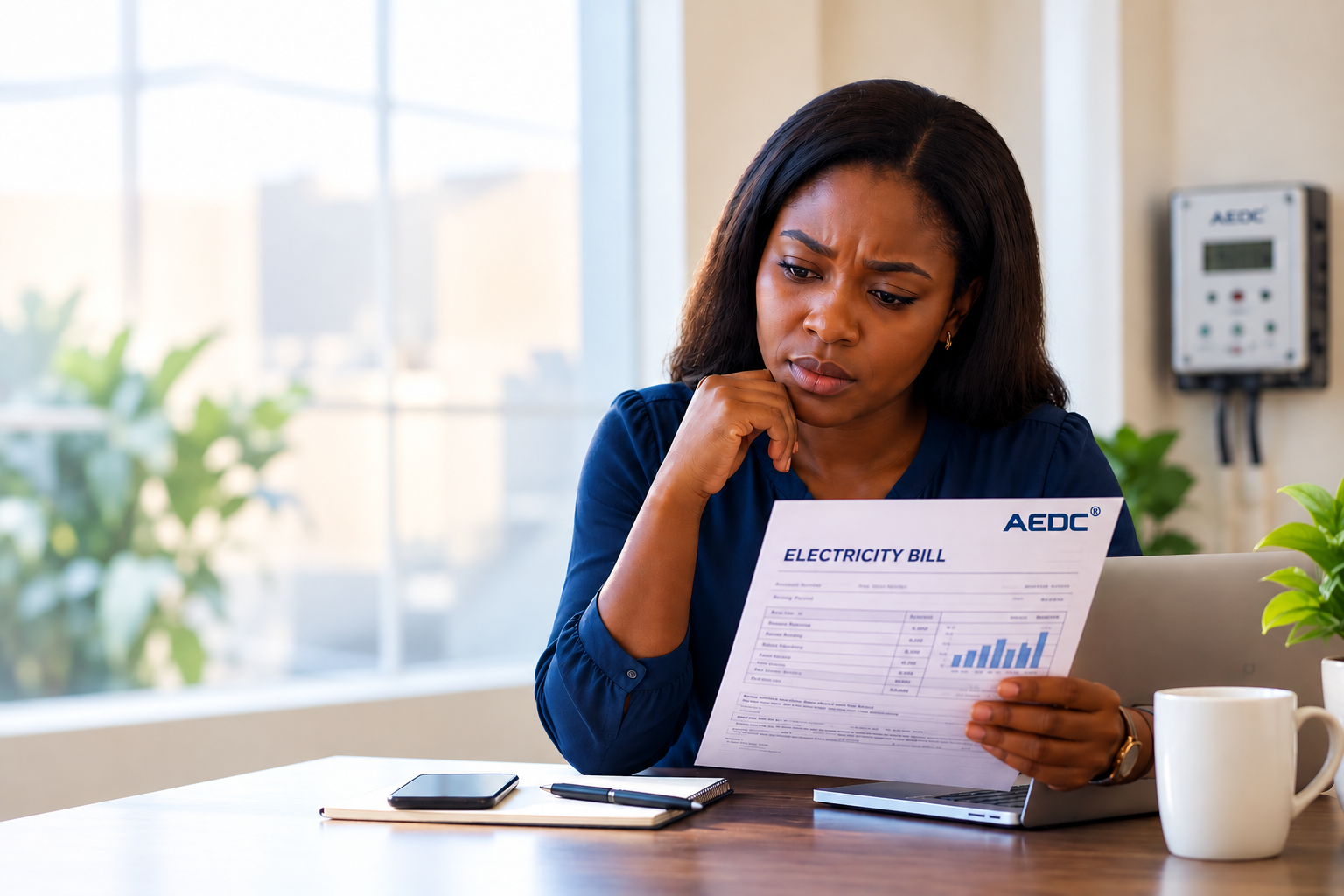
An unexpectedly high electricity bill can be concerning, particularly when you believe your usage has not changed significantly. Before assuming the worst or accepting an unofficial “solution,” there are practical steps you can take to understand the bill and resolve any genuine concern.
Start by checking what has changed
Receiving a higher-than-usual electricity bill naturally raises questions.
Perhaps your household routine has remained the same. Perhaps your business has operated for fewer hours than usual. Or perhaps you simply cannot identify anything that would explain the increase.
So, what should you do first?
Start by reviewing the information available on your electricity account and considering whether there have been changes in your electricity usage, appliances, operating hours or other circumstances during the billing period.
This first step is important because a higher bill does not automatically mean that something has gone wrong with your meter or account.
For example, increased use of air conditioners, refrigeration equipment, water heaters, pumps or other appliances can affect electricity consumption. In a business environment, longer operating hours or additional equipment can also influence consumption.
Where the reason for the increase is still unclear after reviewing your circumstances, do not guess—and do not resort to an unofficial solution.
Use AEDC’s approved customer-service channels to raise the concern and seek clarification.
That gives the issue a proper route to resolution.
Understanding an Unexpected Increase in Your Electricity Bill
If you believe your electricity consumption has remained largely unchanged but your bill has increased, the appropriate response is to seek clarification rather than attempt to alter or interfere with your meter.
Customers with concerns about their metering should report the issue through the appropriate AEDC channels and allow it to be assessed through the established process. This gives the concern a proper route to review and resolution.
This is important because a meter is an essential part of how electricity consumption is measured and accounted for. When that process is deliberately interfered with, it moves beyond an ordinary billing concern.
The Electricity Act 2023 provides a clear legal framework for this distinction. Under Section 208, the Act identifies specified forms of electricity theft, including unauthorized connections, meter tampering and bypassing, and other actions that interfere with accurate metering. Section 211 further addresses unauthorized connection, disconnection or reconnection and interference with meters or electricity works.
These provisions are important for every electricity customer because they make clear that a billing concern and an attempt to manipulate the electricity supply or metering system are not the same thing. A customer who believes a bill is inaccurate has a legitimate reason to seek clarification; interfering with the meter is not the appropriate way to pursue that concern.
The consequences under the Act can also be significant. Specified electricity-theft offences under Section 208 can attract imprisonment of at least three years or applicable fines, depending on the circumstances, while offences involving interference with meters and electricity works under Section 211 can attract fines, continuing daily penalties and imprisonment.
The message is therefore not simply “do not tamper with your meter.” It is that the law provides a proper framework for dealing with electricity concerns, and customers should use that framework rather than take matters into their own hands.
At AEDC, we want customers to feel confident asking questions about their electricity bills, meters and service. A question about your bill should lead to information, clarification and resolution—not an unauthorised intervention.
If your bill is higher than expected, raise the concern, seek an explanation and use the proper channel to resolve it.
That is the safer, lawful and more responsible way to manage an electricity billing concern.
