
Before You Build, Dig or Plant: Understanding Electricity Right of Way
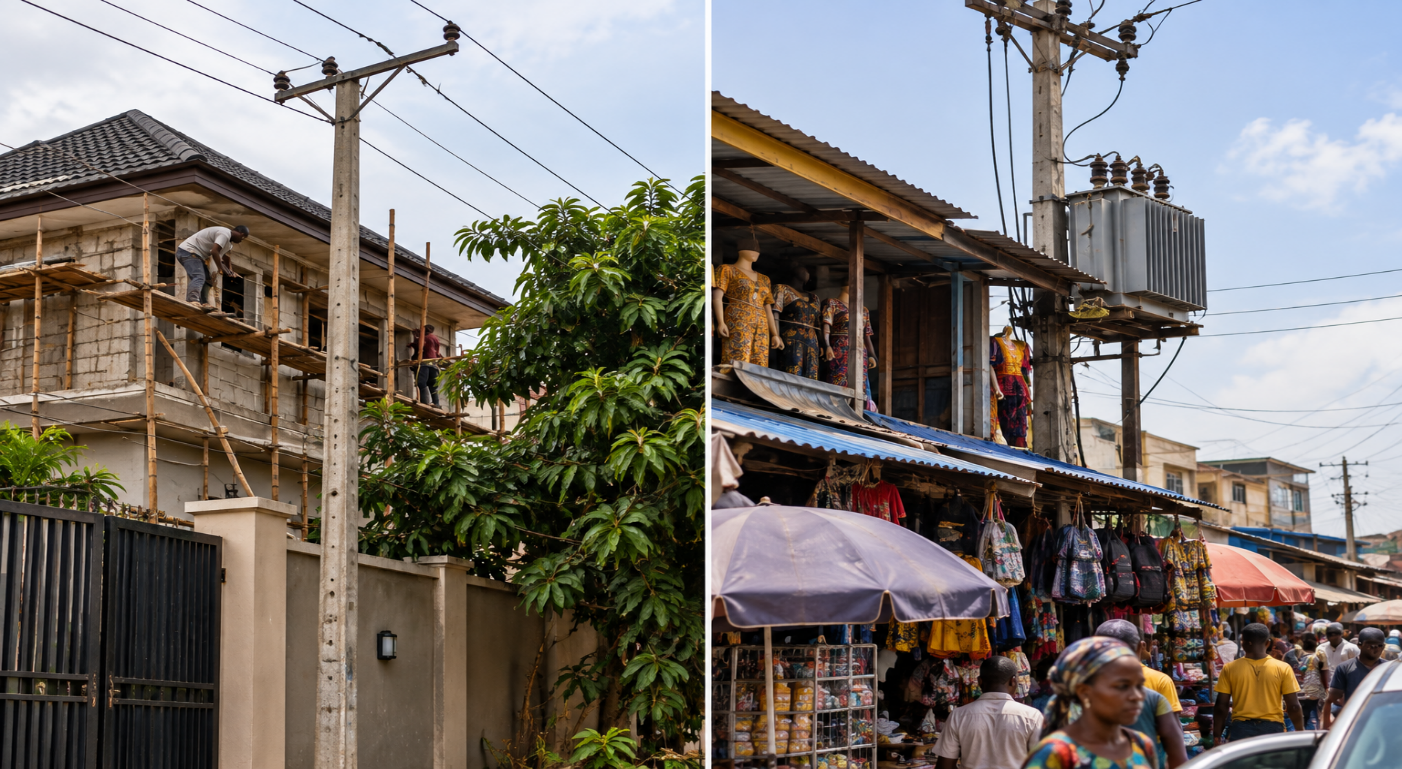
Why keeping a safe distance from electrical installations protects your home, business and community
When you look at the electricity infrastructure around your community, it can be easy to see poles, cables, transformers and other installations simply as part of the neighbourhood.
But these installations are not just physical structures. They are part of the network that delivers electricity to homes, businesses, schools, hospitals and other facilities. What happens around them can therefore affect not only an individual property, but other electricity customers connected to the same network.
This is why where you build, dig, plant or carry out activities around electricity infrastructure matters a lot.
What is Electricity Right of Way?
In simple terms, electricity Right of Way refers to the access and land arrangements associated with electricity infrastructure and electricity projects.
The Electricity Act 2023 addresses the acquisition of land and access rights for electricity projects in Nigeria under Section 118. The provision covers electricity projects relating to generation, transmission, distribution and supply.
Section 118 also provides that licensed electricity operators may have access rights over lands, buildings and streets for the purpose of carrying out their licensed obligations, subject to the applicable laws and NERC regulations.
For customers and communities, the practical message is straightforward:
Electricity infrastructure requires space, access and appropriate care to operate safely and effectively.
Why Your Building or Construction Activity Matters
Imagine a family extending a building, constructing a shop, installing a structure or carrying out excavation close to existing electricity infrastructure.
The work may appear to be an ordinary property improvement. However, when construction or other activities take place too close to electricity installations, they can create safety concerns, restrict access to infrastructure or make it more difficult for authorised personnel to carry out necessary work.
Before starting construction or significant work around electricity infrastructure, it is therefore important to seek appropriate guidance rather than assuming that the available space is automatically safe or suitable for development.
Digging around electricity infrastructure without knowing what may be beneath or nearby can create serious risks.
A project that begins as a simple excavation could inadvertently affect electricity infrastructure and, consequently, electricity supply to customers.
Before you dig, build or alter a structure close to electricity installations, ask first.
Trees and Vegetation Also Require Attention
Trees and vegetation growing around electricity infrastructure can become a concern when they interfere with electrical installations.
If you are planting new trees or maintaining existing vegetation close to electricity infrastructure, consider the potential impact on the network and seek appropriate guidance where necessary.
A small decision made on one property can have consequences beyond that property when it affects electricity infrastructure serving the wider community.
Do Not Treat Electricity Infrastructure as Part of Your Property
Electricity poles, transformers, cables, meters and other network installations should not be altered, moved, obstructed or interfered with by customers.
For example, customers should not:
- Attach structures or materials to electricity installations.
- Carry out construction that obstructs access to network infrastructure.
- Interfere with electrical cables or equipment.
- Undertake work around electricity infrastructure without appropriate guidance.
- Attempt to move or repair damaged electrical installations themselves.
If an electrical installation appears damaged, exposed, unstable or otherwise unsafe, keep people away from the area and report the situation through the appropriate AEDC channel.
How Much Space Should You Keep From an Overhead Power Line?
The required Right-of-Way depends on the voltage level of the overhead power line. Under the NERC Health & Safety Code for the Nigerian Electricity Supply Industry, the specified Right-of-Way is:
| Voltage Level | Right-of-Way | Distance on Each Side |
| 330kV | 50 metres | 25m each side |
| 132kV | 30 metres | 15m each side |
| 33kV | 11 metres | 5.5m each side |
| 11kV | 11 metres | 5.5m each side |
The Code states that the measurement is divided equally from the centre of the line on either side. It further states that, for safety reasons, no structure or premises should be built under or close to the overhead power-line Right-of-Way.
If you are planning to construct a house, shop, fence, extension or other structure near an overhead electricity line, do not estimate the safe distance by sight or guesswork.
The required distance depends on the voltage level of the line.
This is particularly important in residential areas, markets and other busy communities where buildings, shops, temporary structures and other activities can gradually encroach on electricity infrastructure.
If you are unsure of the voltage level or whether your proposed development falls within the Right-of-Way, seek appropriate guidance before commencing construction.
A safer community starts with one simple habit:
See electricity infrastructure? Think before you build, dig, plant or interfere.
When in doubt, contact AEDC for guidance through its official customer service channels.
